Passion meets portfolio: The brand equity your brand isn’t controlling
Your most passionate customers are reselling your products, sometimes for 10x what they paid. This article introduces the thinking behind our whitepaper, The Dual-Purpose Passion Investment, which explores how luxury brand marketers can understand, influence and ultimately benefit from the secondary market their products generate, while controlling their brand equity.
Originally written by Niki McMorrough on 18th May 2025. Updated May 2026.

What’s in the Dual-Purpose Passion Investment whitepaper?
| Chapter | What you’ll find |
|---|---|
| The investor-consumer | Who is buying your brand as an asset, and what they want from you |
| Collector profiles | From millennial sneakerheads to family offices: the collectors already in your ecosystem |
| Brand case studies | How Christie’s, Patek Philippe, Chanel, Rolex, Dalmore and LVMH approach secondary market value |
| Product development | How to build collectibility in from the start; scarcity, provenance, authentication |
| Distribution strategy | Controlled resale channels, auction partnerships and direct-to-collector models |
| Communication strategy | How to talk about investment value without making explicit financial promises |
| Relationship marketing | Turning your most passionate buyers into long-term brand partners |
| Risk and regulation | What to avoid, and how to navigate market corrections and FCA/ASA boundaries |
What is the secondary market, and why should luxury marketers care?
The secondary market is where your products go after the first sale. Auction houses, resale platforms, private collectors, and increasingly, online marketplaces like StockX and Vestiaire Collective. It is where your brand’s value is validated, or eroded, by people who had nothing to do with making your product.
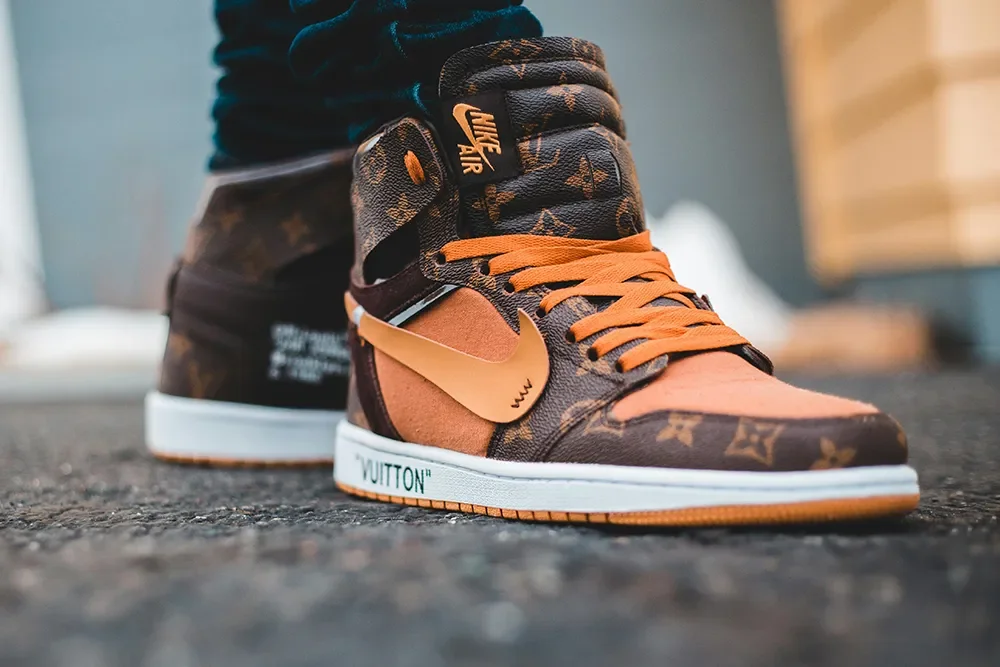
Right now, a pair of Louis Vuitton x Supreme trainers can resell at 163% of retail price. A Hermès Birkin has outperformed the FTSE 100 over multiple decades. Patek Philippe models released in 2024 are already appreciating at between 7% and 12% annually. And a collection of Scotch whisky assembled by one Vietnamese collector was valued at £10.8 million in 2019.
In every one of those cases, the brand created the value. A reseller captured it. For luxury CMOs, that is not a story about investment markets. It is a story about brand equity leaking out of your ecosystem, and a map of where your most valuable customers are.

The Hermès Birkin has outperformed the FTSE 100 over multiple decades
Who is the investor-consumer buying into your brand?
The whitepaper profiles a distinct type of buyer the team at Affluent Audiences calls the investor-consumer: a wealthy individual who acquires luxury goods for both emotional pleasure and long-term financial value. They are not a niche. Across wealth tiers, the behaviour is widespread.
| Wealth tier | Net worth | How they approach luxury acquisition |
|---|---|---|
| Mass Affluent | $100k–$1m | Entry-level categories: limited-edition watches, rare spirits, accessible collectibles. Looking for provenance and price transparency. |
| HNWI / VHNWI | $1m–$30m | Focused collections, often with expert guidance. Motivated by both passion and portfolio diversification. |
| UHNWI | $30m–$1bn | Managed via family offices and dedicated alternative asset managers. Collections serve tax, relationship and legacy purposes. |
| Billionaire | $1bn+ | Private acquisitions, direct relationships with houses, generational thinking. Your brand’s cultural position matters as much as the product. |
The collector driving the most secondary market activity is often not the traditionalist brands expect. Millennial and Gen Z collectors — Drake’s $5m watch collection, Josh Luber’s $310,000 Air Jordans, Nigo’s $28 million Sotheby’s auction — are shaping secondary market values and, in doing so, shaping primary market desirability. Christie’s reports that 29% of its clients are millennials and Gen Z.
How are luxury brands controlling their secondary market value?
The whitepaper contains detailed case studies. Here is the preview.
Rolex
Rolex built a Certified Pre-Owned programme that authenticates, guarantees and certifies pre-owned watches, effectively creating a controlled secondary market under the brand’s ownership. They now capture data, set standards and maintain prestige across the full product lifecycle.
Chanel
Chanel never mentions investment. Instead, they restrict production, raise prices consistently and control distribution tightly. The result is that Chanel classic flap bags appreciate predictably, sophisticated buyers recognise this immediately, and the brand’s emotional appeal is never diluted by explicit financial claims.
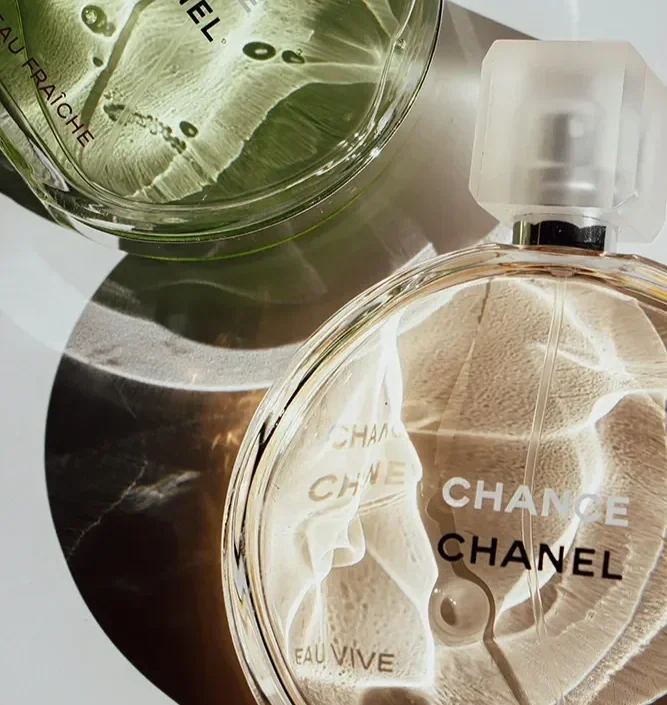
Chanel restricts production, raises prices consistently and controls distribution tightly.
Louis Vuitton
Louis Vuitton uses artist collaborations — Stephen Sprouse, Takashi Murakami, Supreme — to create secondary market events. Supreme items in particular resell at an average of 163% of retail (StockX data). Each collaboration creates a new cohort of collector-investors motivated to acquire at launch.
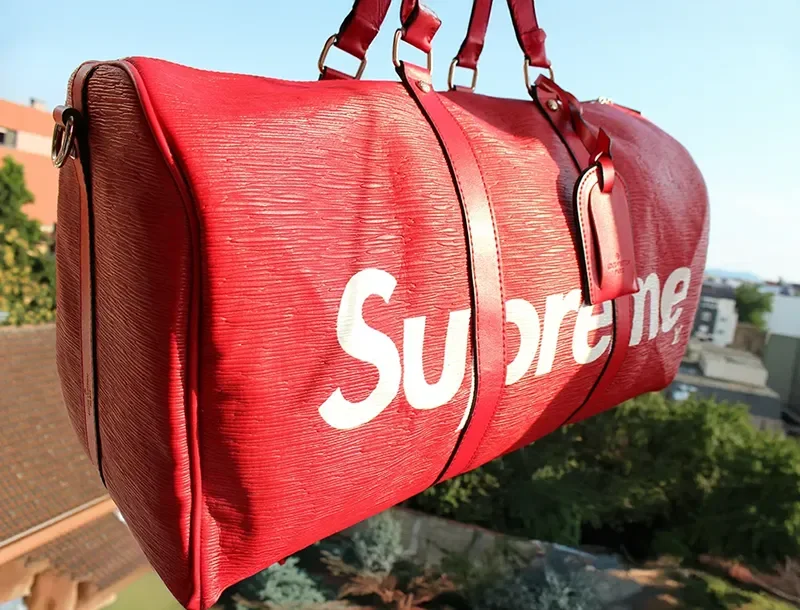
Louis Vuitton create limited artist collaborations: Stephen Sprouse, Takashi Murakami, Supreme.
The Dalmore
The Dalmore segments its whisky range by wealth tier, from £100 accessible bottles to £20,000 prestige editions, building investment credibility at every price point rather than only at the top.
F.P. Journe
F.P. Journe produces fewer than 950 watches annually, uses precious metals throughout, and documents each piece’s provenance meticulously. Their production model is their marketing strategy.
Each brand has made deliberate choices about scarcity, provenance and distribution that create secondary market conditions, without making explicit investment promises.
What does this mean for your marketing communications?
The whitepaper covers this in detail. In short, the language matters enormously.
Terms like ‘limited allocation’, ‘heritage craftsmanship’, ‘collector’s edition’ and ‘future value’ signal investment potential without triggering FCA or ASA regulatory concerns in the UK. Explicit return promises in advertising copy are where brands get into trouble, both legally and with their own brand positioning.
For brands wondering where to start, the whitepaper includes a five-step framework.
The smarter approach is to make the evidence available and let your audience draw their own conclusions. Auction results, appreciation data, production numbers, authentication documentation — published clearly, attributed to credible third-party sources like Knight Frank and the auction houses. Your customer does the investment reasoning. You provide the substance.
For brands wondering where to start, the whitepaper includes a five-step framework: audit your product portfolio for natural investment characteristics; build authentication systems; develop educational content that builds collecting expertise; explore auction partnerships; and train customer-facing teams to understand investment motivations without making financial promises.
Have you met your brand’s most valuable customer-collectors?
The investor-consumer is not waiting to be found. They are already in your ecosystem: buying multiple pieces, hoarding discontinued items, trading in secondary markets, and building collections that tell other wealthy buyers what is worth owning.
The brands in the whitepaper that are doing this well have one thing in common: they treat these buyers as partners in building long-term brand value, not just as customers in a transaction. They learn from their most passionate collectors about what holds value and why. And they design products, communications and distribution strategies accordingly.

95% of online art sales involve works priced under $50,000 with a 12.7% increase in average price in 2024
What value can a brand derive from controlling its secondary market?
Brands create value two ways: revenue from sales, and equity (the accumulated worth of the brand itself, reflected in shareholder value, market capitalisation and the premium customers will pay over a generic alternative). These two are more connected than you might realise.
A strong secondary market raises primary market pricing power. Rolex can charge more for a new watch partly because buyers know the watch holds value after purchase. Chanel raises handbag prices annually, and sells out, because the secondary market validates every increase. Controlled resale data also gives brands hard evidence of brand equity that satisfies boards and investors in a way that awareness metrics cannot.
Brands that ignore their secondary market are leaving both revenue and equity on the table. Those that engage with it through authentication, distribution strategy and collector relationships, turn resale activity from a leak into a lasso.
Access the complete ‘Passion meets Portfolio’ whitepaper.
Submit the form below to receive the full whitepaper and insights.