
Luxury brands and services fall into four digital performance types. Every type is present in every sector. The Luxury Digital Marketing Benchmark of 2,069 brands, by Affluent Audiences, ranks them by how they perform online, not by what they sell. Know your type, and you know what steps to take to win your category.
2,069 luxury brands settle into four performance archetypes, with blurred edges - Luxury Digital Marketing Benchmark of 2,069 brands, by Affluent Audiences

What is a brand audit, and what are the four luxury performance archetypes?
A brand audit measures how a brand performs where customers find it: across paid, earned, shared and owned channels. Ours sorts luxury brands from all industry sectors into four types: the Establishment, the Contender, the Specialist and the Ghost.
For the Luxury Digital Marketing Benchmark of 2,069 brands, by Affluent Audiences, we grouped brands on ten factors, from authority and branded demand to mobile experience and knowledge-graph presence. All four types appear in every one of the 16 sectors large enough to measure. A watchmaker can share problems and solutions with a hotel, car or fashion brand, rather than its own peers.
Mobile pass rates for real visitors range from 15% to 45% across the four luxury performance archetypes - Luxury Digital Marketing Benchmark of 2,069 brands, by Affluent Audiences
The wider pattern, and what the leaders share, is in our study of luxury digital marketing strategies.
“A watchmaker can share its problem with a hotel, car or fashion brand”
Establishment: the digital audit imbalances to look out for
Fame that outruns the website.
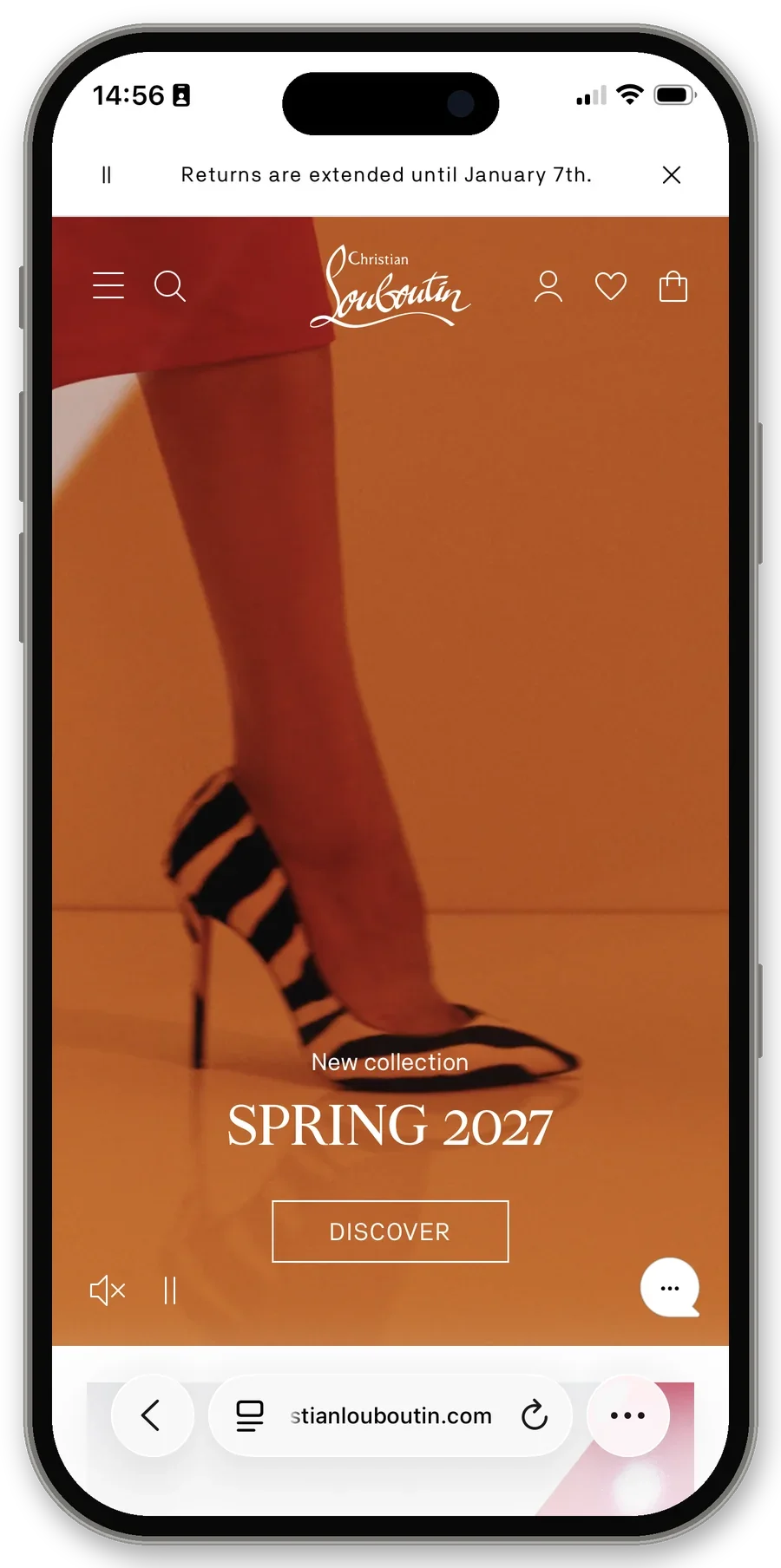
Establishment brands are famous, searched for and well documented, yet only 27% of their sites pass Google’s mobile bar for real visitors, according to the Luxury Digital Marketing Benchmark of 2,069 brands, by Affluent Audiences. The imbalance is between demand and delivery.
Christian Louboutin, Rick Owens and Wynn Las Vegas show the two can match: famous names with fast, usable mobile and desktop flagships. Most ‘Establishment’ brands need optimisation, not awareness.
With a median of 223,000 organic visits a month, against 17,600 across luxury, every slow page is felt at scale: the demand arrives, and a large portion bounces before it buys.
Contender: the digital marketing audit gaps that stall known brands
The gaps sit in the site, not the name.
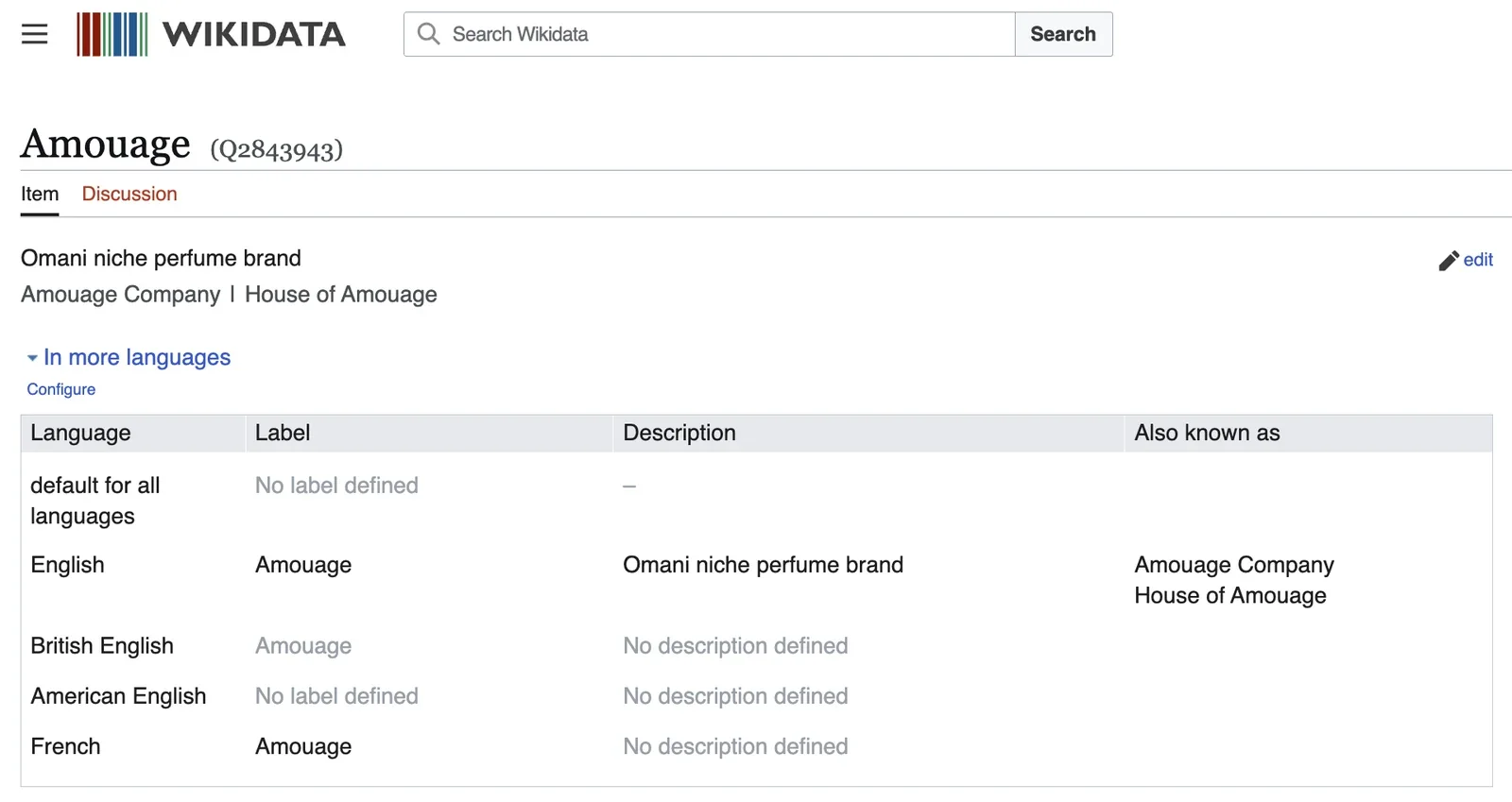
Contenders are recognised and easy for machines to identify: 48% have a Wikidata entry, against 33% across luxury. Yet only 15% of their sites pass Google’s mobile bar for real visitors, according to the Luxury Digital Marketing Benchmark of 2,069 brands, by Affluent Audiences.
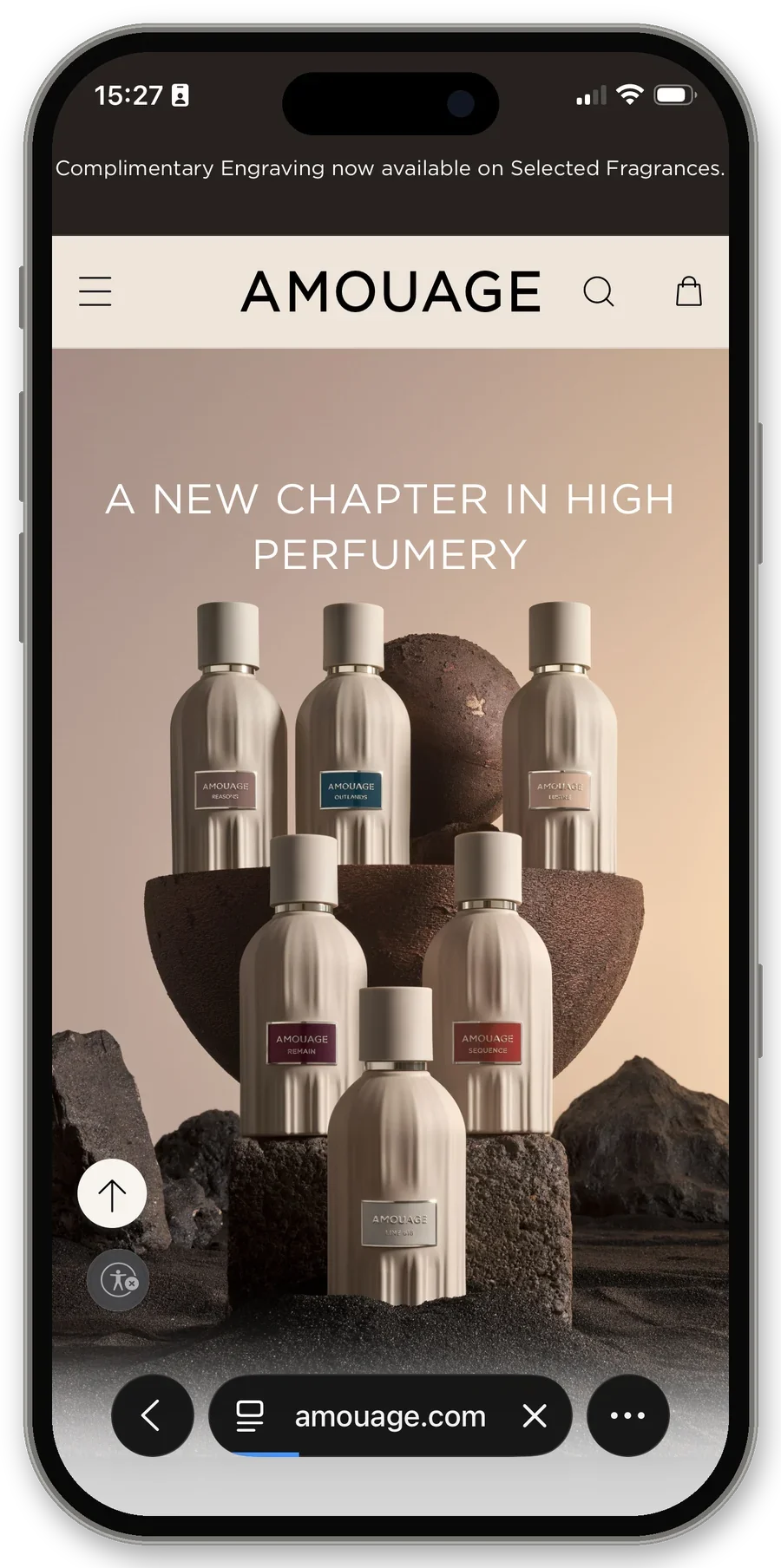
AMOUAGE, Jo Malone London and KEF are Contenders whose sites pass that bar, and keep pace with their reputation. That is the next step for the type. A known brand with a slow site pays twice: once to win the attention, and again when the visit stalls.
Specialist: best primed to capture luxury share.
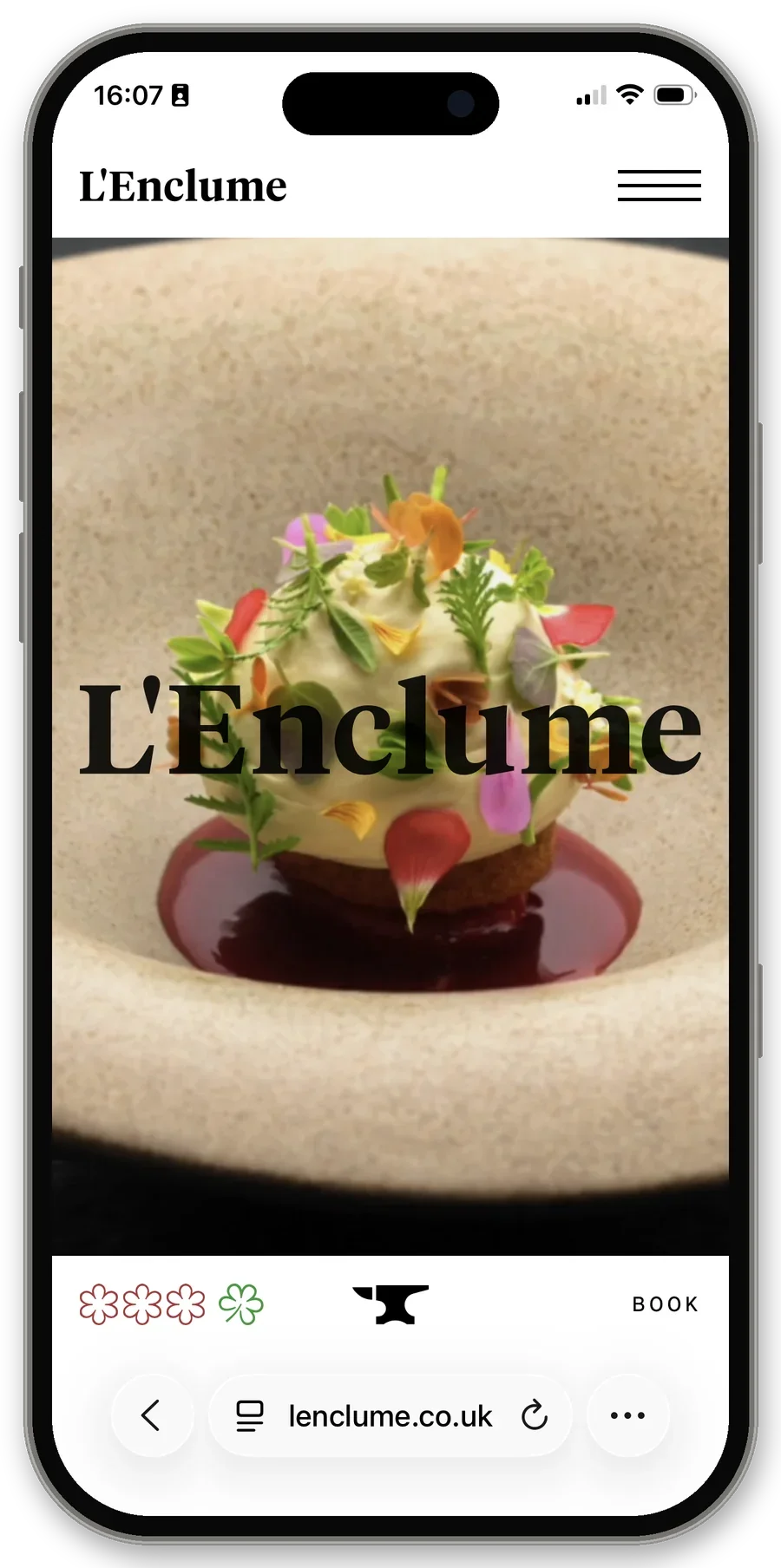
They are luxury’s ones to watch, and speed is their secret weapon.
Specialists run sites built for how luxury buyers shop now: 39% pass Google’s mobile bar for real visitors and 91% respond quickly to a tap, against 78% across luxury, according to the Luxury Digital Marketing Benchmark of 2,069 brands, by Affluent Audiences.
Keep an eye on L’Enclume, Heywood Hill, Lévy Gorvy Dayan and Peter Reed. Most Specialists are small by design: 63% employ fewer than 50 people, and they earn links from a median of 37 sites, against 75. With fewer visitors, each one matters more, and lands on a fast and finished site. They are future-proofed: when they find their tribe, they’ll fly.
Ghost: can ultra-exclusive offline luxury brands survive the AI age?
Yes, as long as AI can name them, but that’s where this group come undone.
The wealthiest customers are the heaviest AI users, with 74% of US households earning over $100,000 using it (Menlo Ventures, 2025).
Ghosts have speedy sites and are on Instagram and TikTok as often as the typical luxury brand, but what they haven't earned is recognition. They have links from a median of just 13 sites and no clean knowledge-graph entity, according to the Luxury Digital Marketing Benchmark of 2,069 brands, by Affluent Audiences.
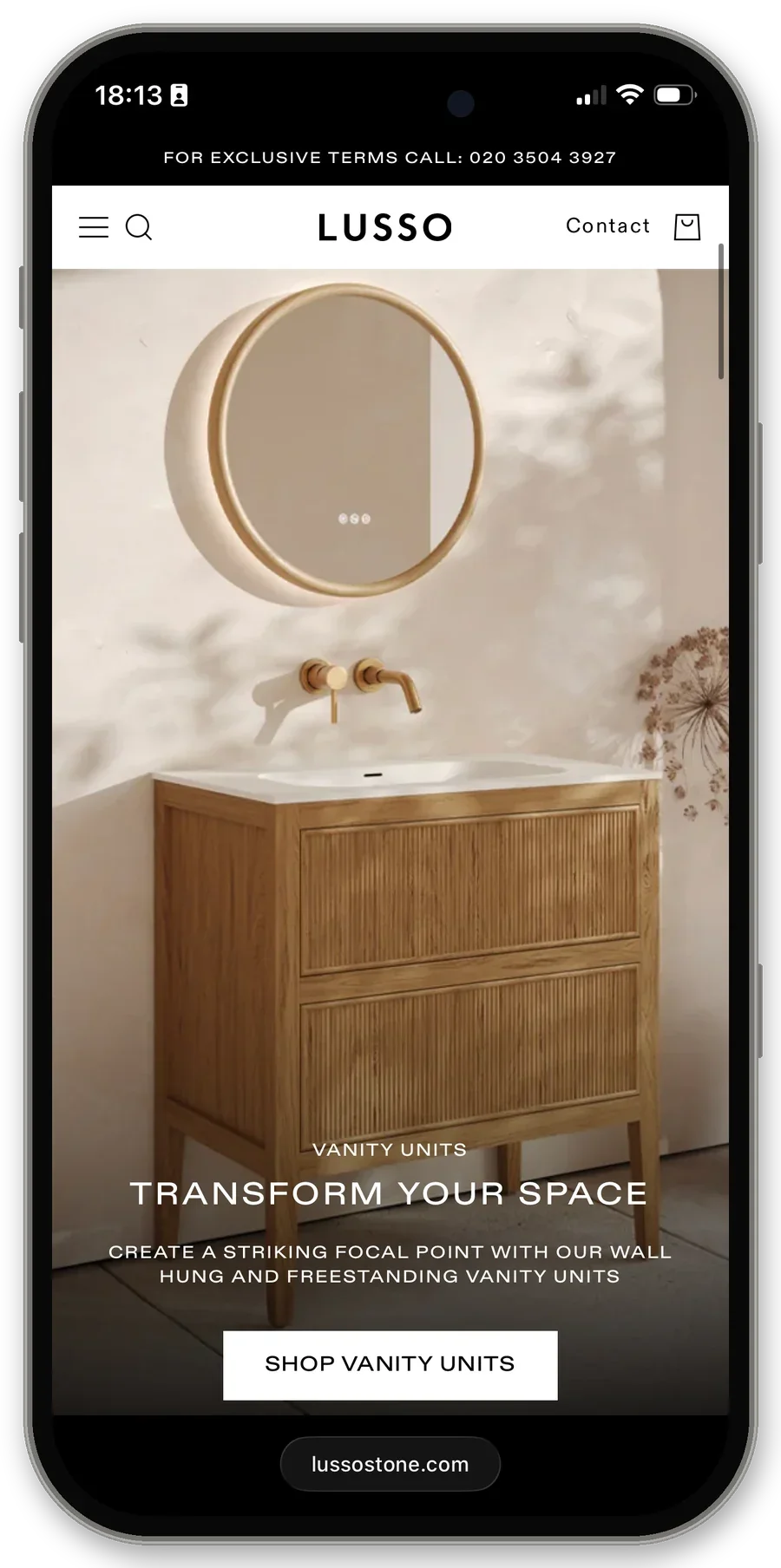
LUSSO, Casa Cipriani and Cocina Hermanos Torres lead this quiet luxury type, with fast, AI-citable sites that suit a discreet clientele. Their owned and shared channels are working; the gap is earned media, the press and authority that teach Google and AI who they are.
“Discretion offline doesn’t have to mean absence online”
Where each luxury performance archetype shines and slips
| Type | Where it shines | Where it slips |
|---|---|---|
| The Establishment | Authority, branded demand and traffic; steady pages | Speed, on desktop and mobile |
| The Contender | Recognition and demand; well documented online | Jumpy, slow pages |
| The Specialist | Fast, stable, beautifully built sites | Reach: few links, a quiet social voice |
| The Ghost | Fast sites; active on owned and shared media | Earned recognition: authority, press and the knowledge graph |
How does a performance audit differ from brand archetypes or a brand persona?
They measure different things. Affluent Audiences’ performance archetypes measure how a brand performs online, using data not workshops. Conversely, Jungian brand archetypes (the Hero, the Sage, the Outlaw) describe personality, and a brand persona describes voice - both are about how to express brand identity.
A brand can be a Sage and an Establishment at the same time. The personality says how to sound; the performance type says what to fix.
How do you conduct an enterprise brand audit on your own portfolio?
For luxury CMOs looking to audit their own brand, we advise to start where a consumer would. Search for the brand’s name and product/service type. Open its site on a desktop and phone. Ask an AI assistant who the brand is, and ‘who is the best x for y’. Check who has mentioned and cited the brand online, to assess their domain authority.
Most brands recognise their type within minutes:
Famous and in demand, but laggy online: Establishment.
Known and well documented, with a jumpy, slow site: Contender.
Technically excellent, timidly spoken: Specialist.
Striving on owned and shared media, earning little recognition: Ghost.
Each type needs a different strategy, and these luxury marketing strategy examples show where each one starts.
The shape of each luxury performance archetype across ten digital factors - Luxury Digital Marketing Benchmark of 2,069 brands, by Affluent Audiences
The four luxury performance archetypes
A self-check finds the type, which is a good start. However, it can’t score you against your real competitors, against your sector, versus luxury at large or the broader market. That read starts with a conversation, get in touch below.
Discover your brand’s performance archetype
Affluent Audiences is a full-service luxury marketing agency, book a diagnostic call with our specialists.


How our brand audit was done
The full method, factors and dataset are in our luxury marketing KPI benchmarks.
How the four luxury performance archetypes are built: 250+ data points per brand, ten factors, four archetypes - Luxury Digital Marketing Benchmark of 2,069 brands, by Affluent Audiences
Sources
Four-cluster solution from k-means on ten benchmark factors (Archetype_Classified model); each cluster’s performance signature. Luxury Digital Marketing Benchmark, v2 findings workbook, Data tab (n=2,069).
Sequencing logic (foundations before amplification) derived from per-archetype funnel strengths, v2 findings workbook (n=2,069).
Board pressure: 50% of marketing leaders report more pressure from board members (up from 33%); 63% more from CFOs (up from 52%); 61% more from CEOs (up from 51%). The CMO Survey, 34th edition, Duke University Fuqua School of Business, 281 US marketing leaders (99% VP level or above), published 1 Apr 2025. https://cmosurvey.org/marketers-claim-a-broader-role-and-increased-influence-amid-pressures/
Cost per visit up 9% year on year and 19% over two years; conversion rates down 6.1% year on year. Contentsquare 2025 Digital Experience Benchmark, 90bn sessions across 6,000 websites, Q4 2023 vs Q4 2024. https://contentsquare.com/blog/2025-digital-experience-benchmarks/
Conversion rates down a further 5.1% year on year (traffic down 3.8%). Contentsquare 2026 Digital Experience Benchmark, 99bn sessions across 6,500+ websites, Q4 2024 vs Q4 2025. https://go.contentsquare.com/en/digital-experience-benchmark
Luxury customer base down from about 400 million people (2022) to about 340 million (2025); 2025 market roughly flat, 3 to 5% growth forecast for 2026. Bain & Company with Altagamma, reported by Reuters, 20 Nov 2025 (figures checked in the Reuters report, not Bain’s own release). https://cyprus-mail.com/2025/11/20/luxury-sector-to-revive-in-2026-but-price-hikes-leave-shoppers-betrayed
Only 54% of luxury brands have a single clean knowledge-graph entity; 46% lack one (22% none; 24% contested, where a rival record scores within 50% of the brand’s own); most prestigious brands (score 90+) contested 33% of the time. Luxury Digital Marketing Benchmark, v2 findings workbook (n=2,069). Needs adding to the hub as a slice before publishing.
85% of consumers earning over $150,000 use AI tools in some part of their shopping journey; adoption rises with income. Rakuten Advertising, Critical AI shopping intelligence for partner marketing leaders, reported by Performance Marketing World, 5 Aug 2026. https://www.performancemarketingworld.com/article/1966569/think-know-ai-shopper-looks-like
Brand websites account for 57% of AI citations globally (ChatGPT 47%, Gemini 69%). Profound, 11.8bn data points, reported by WARC, 1 Sep 2026. Studies conflict on the owned vs earned share (Yext 2025: 86% brand-managed, mostly local queries; Muck Rack: about 84% earned, with a broad definition of earned), so the body says only that AI answers draw on both. https://www.warc.com/en/article/ai-cites-brand-websites-more-than-press-reddit-or-you-tube-029c7e9c6e4e4657b3a2a387ffa3c926